Public policy and the sensibility of productive sectors towards the issue are still a hiccup of recognition in the face of racism and the brutal appetite of those who want less forest, more monocultures and fast money at any cost






* Article originally published in Valor Econômico newspaper
Nature is the basis for the existence of human societies. There are no human societies if there is no suitable climate, fertile soil, clean oceans and so forth.
The hegemonic economy, however, was shaped by colonialism and a war against nature. Since the scientific revolution of the 17th century, part of humanity has sought at any cost to become master and mistress of the very nature on which it fundamentally depends for survival.

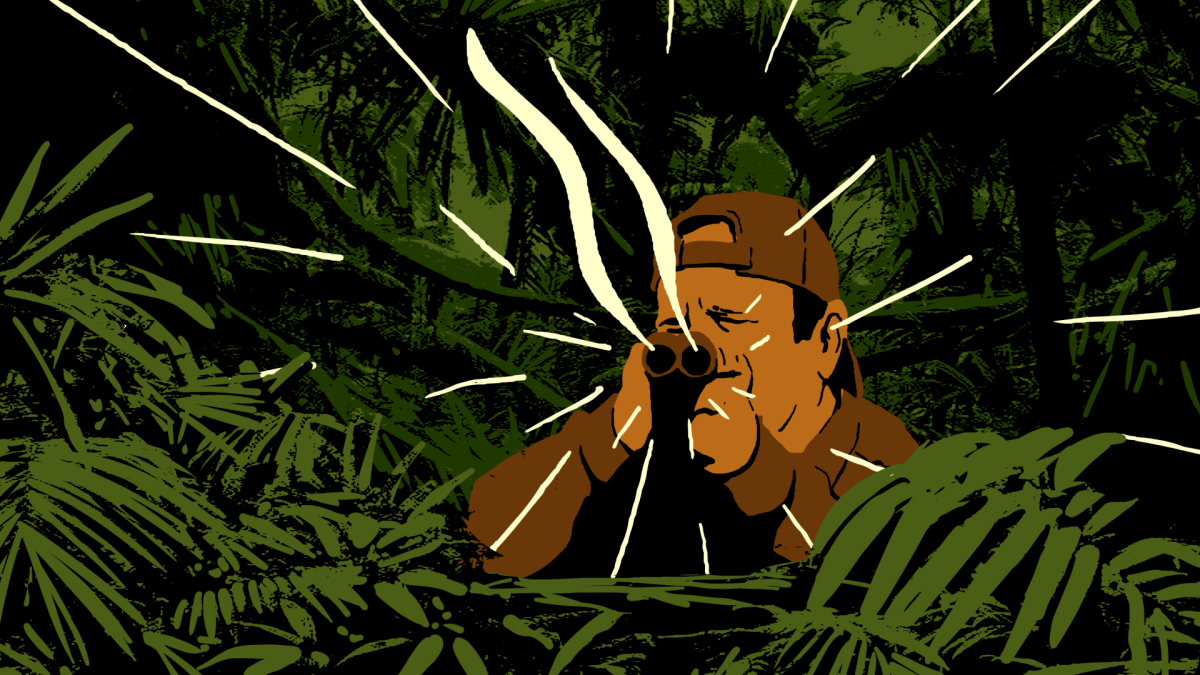
Deforestation, burning, mining, land grabbing and other aggressions against the forest and its people are taking us to a point of no return|Adams Carvalho/Cama Leão/ISA
We have reached a turning point in which the ruins of this war have been transformed into scorched earth by a denialist government that has pushed to the limit the idea that protected areas and the people who live in them — indigenous people, quilombolas, riverside-dwellers and traditional communities — are obstacles to the economic development of the country.
Despite everything, we have made progress with practical experiences in the relationship between these peoples and the markets (public, private, national, international), helping to strengthen a new economy that cannot be compared to subsidized monocultures, predatory and illegal activities, and synthetic products.
This economy is a contribution to a sustainable future and is already part of the daily life of indigenous peoples, quilombolas and traditional communities in their territories. It already is a circular economy. A bioeconomy. An agroecology, agroforestry. A regenerative economy. There already is bio-construction. There has been for centuries.
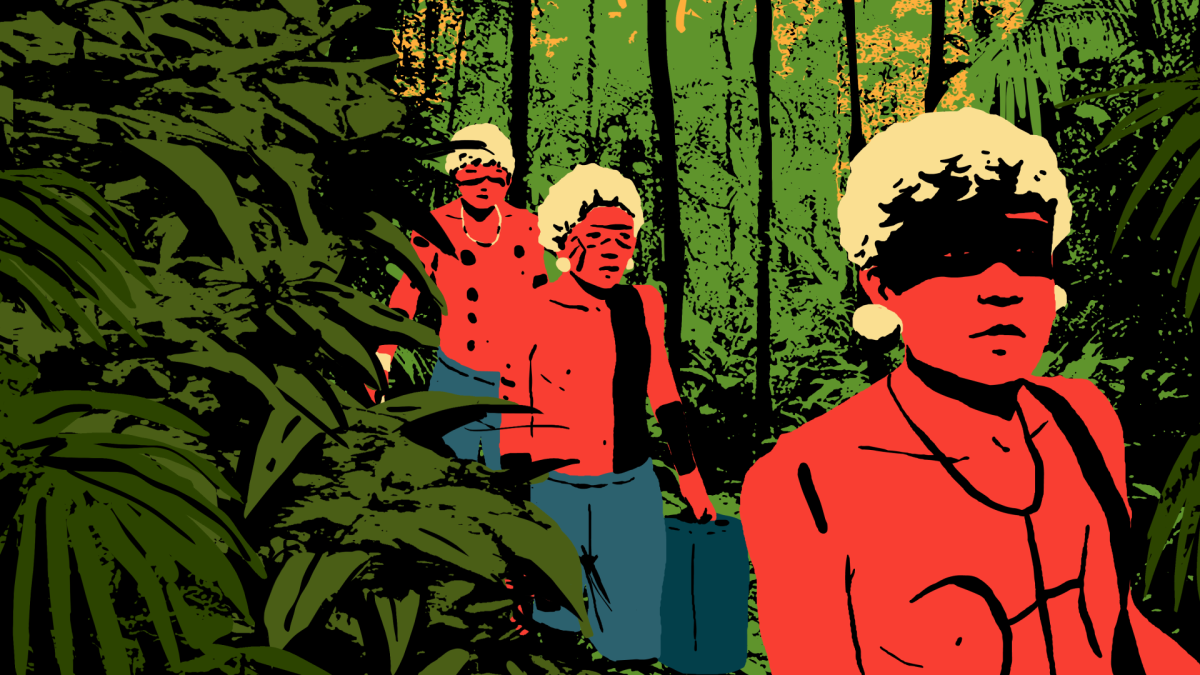
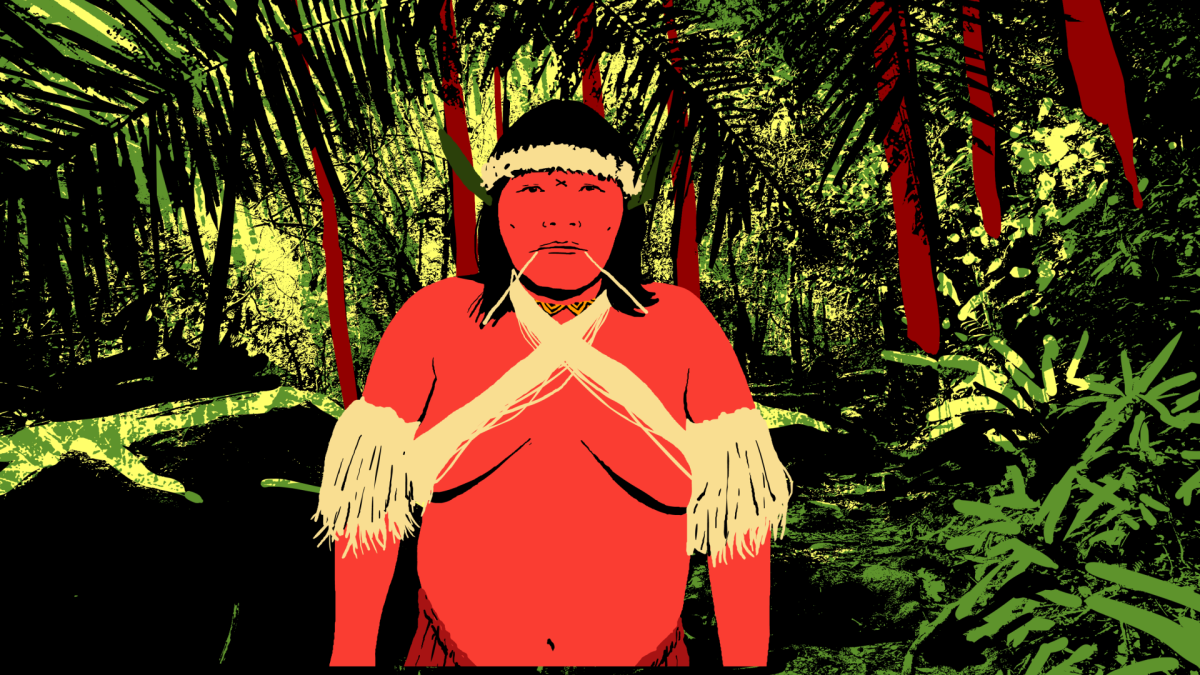
Indigenous people have practiced the care economy as a way of life for centuries and are the ones who protect the forests the most|Adams Carvalho/Cama Leão/ISA
This is an innovative model, practiced for millennia. Economies that, in addition to monetary results, care for both people and nature at the same time.
This model has enormous potential to be developed, as well as a didactic capacity to transform the future by putting people, life and diversity first. That is why we call them socio-biodiversity economies.
Strengthening, recognizing and valuing socio-biodiversity economies, however, involves a major transformation in the understanding that these populations and their territories are producers of knowledge, contributions and services that are fundamental for life on the planet.

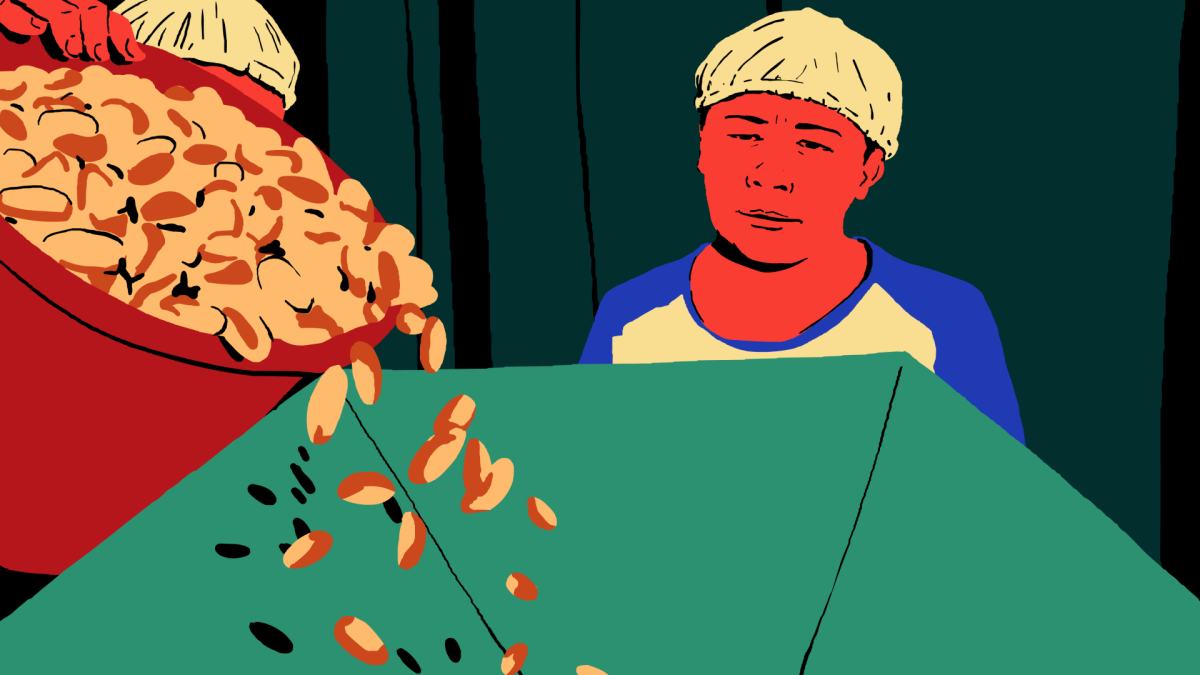
Riverines of Xingu are an example of positive management of biodiversity, extracting Brazil nuts for fair marketing|Adams Carvalho/Cama Leão/ISA
A study published by ISA shows that these peoples and their economies are responsible, jointly, for the protection of one third of the forests in Brazil. In the last 35 years, Indigenous Lands alone have protected 20% of Brazil's national forests.
Studies in archaeology and landscape ecology show that landscape management, based on the lifestyles and culture of indigenous peoples and traditional communities, was and is responsible for the formation of environments in different Brazilian biomes, including the Amazon.
This landscape management is the foundation of Traditional Agricultural Systems, which have been transforming forest into forest for millennia, ensuring the reproduction of ecosystems. These are traditional practices of planting, gathering and extraction that generally sustain landscapes and have a very low environmental impact, especially when compared to other modes, such as monocultures.
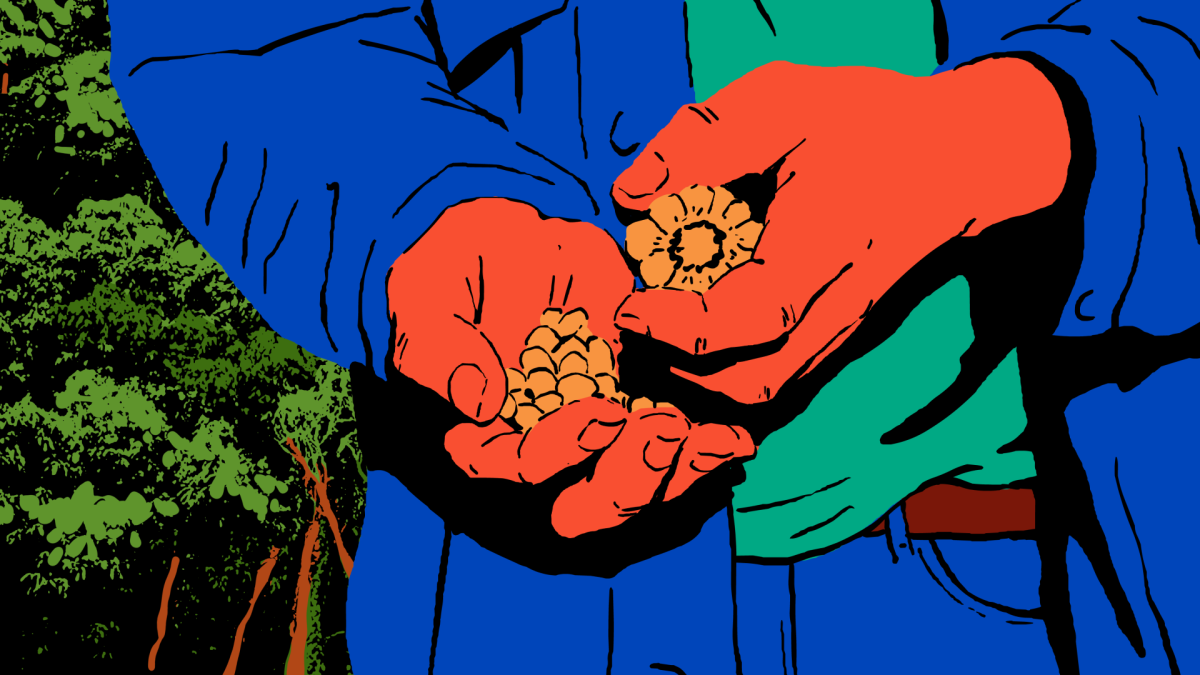
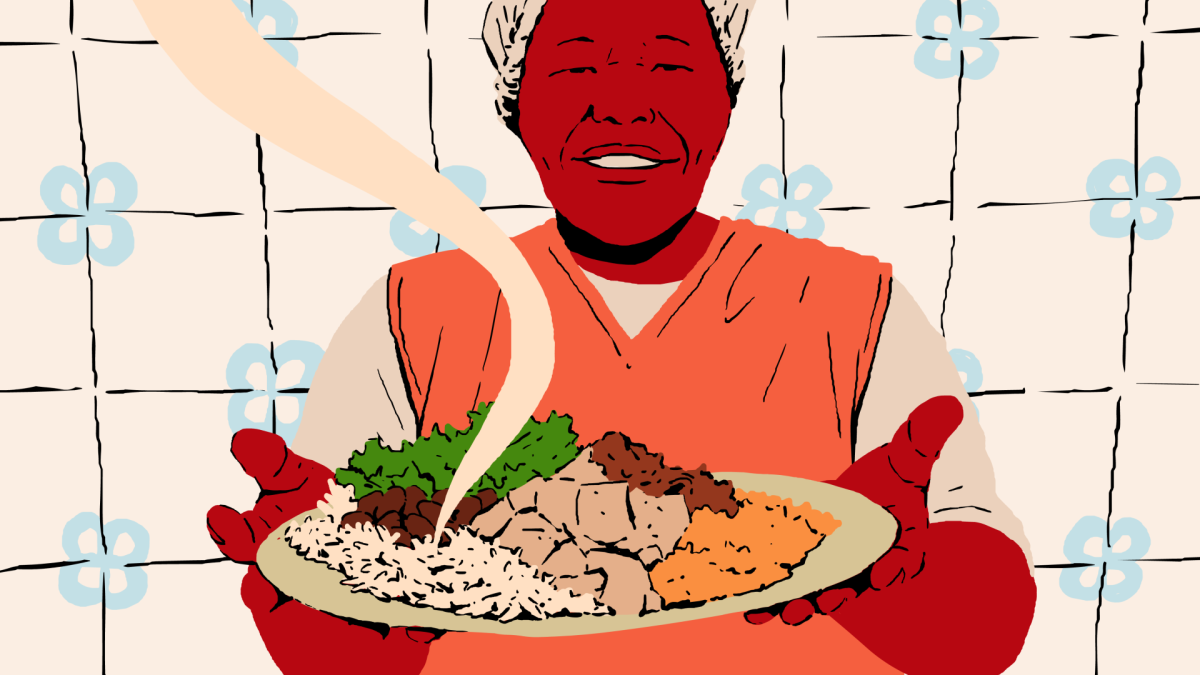
With the Traditional Quilombola Agricultural System, communities in Vale do Ribeira (SP) feed those who need it most and strengthen family farming|Adams Carvalho/Cama Leão/ISA
Human practices of very low environmental impact not only enable greater diversification of forest plots but also the maintenance of the landscape itself, guaranteeing the continuity of the ecosystem services generated by it for society, such as biodiversity, maintenance of CO2 storage, water, pollination, among others.
Traditional peoples and communities largely view natural entities as agents endowed with intentionalities, and with whom relations must be established to achieve good management of the territory and social life itself.
As such, there is an evident need to advance the understanding of Payment for Environmental Services (PES), established by Law 14.119 of January 13, 2021.
Based on the interpretation of the law and the understanding of the relevance of the environmental contributions and services generated by the ways of life of indigenous peoples, quilombolas and traditional communities, we are proposing a complementary and specific definition for Socio-environmental Contributions and Services.

The Xingu Seeds Network, which operates in the Amazon and Cerrado, uses ancestral management practices to sow the forests of the future|Adams Carvalho/Cama Leão/ISA
Socio-environmental Contributions and Services are individual or collective activities/practices associated with the ways of life, knowledge, culture and landscape management of indigenous peoples and traditional communities in their territories, which favor the reproduction, recovery or improvement of ecosystem services, and which update and produce cultural diversity.
The recognition of these contributions and services by appropriate public policy is essential for strengthening sociobiodiversity economies and containing the advance of the hegemonic economic model over traditional territories, creating mechanisms to promote local ways of life.
The Food Purchase Program (PAA), the National School Meals Program (PNAE) and the Policy to Guarantee Minimum Prices for Sociobiodiversity Products (PGPM-Bio) are examples of public policies that, even with scarce resources, make it possible to create positive cycles.
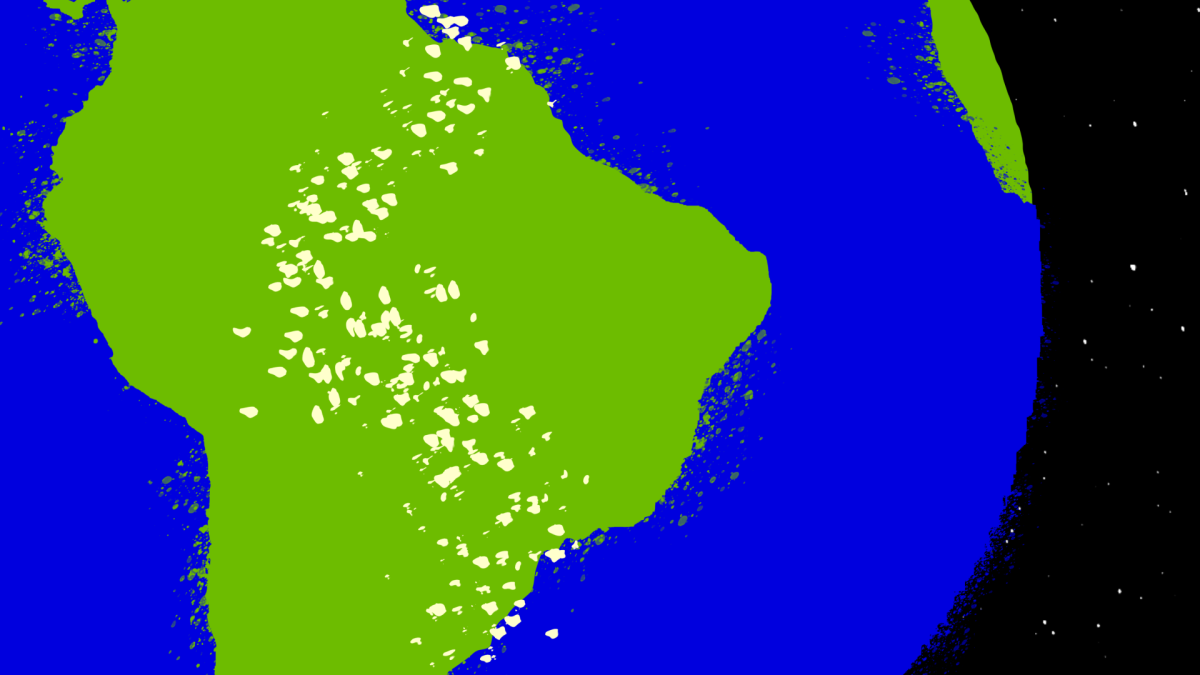
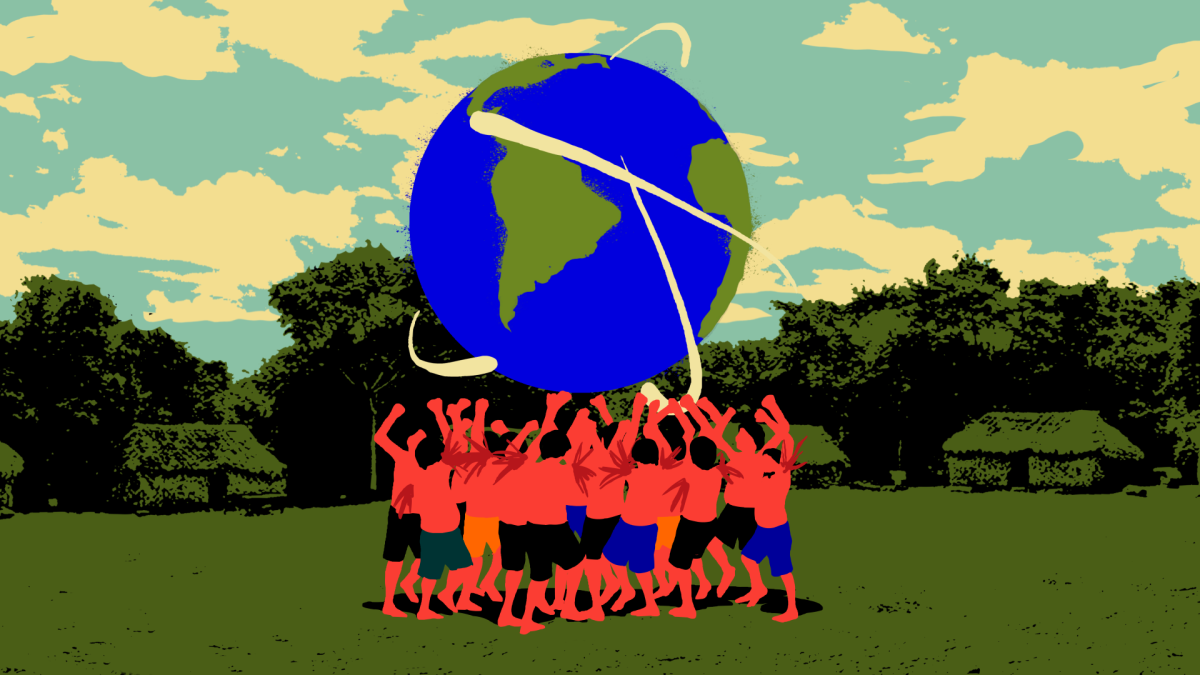
The strengthening of socio-biodiversity economies and the knowledge of forest peoples is the key to stopping the destruction of the planet|Adams Carvalho/Cama Leão/ISA
At the same time, companies that pay attention to the wellbeing of communities and care for their territories have played an important role in fostering these economies, elevating traditional peoples and communities to the forefront and launching initiatives for fair benefit sharing.
Within the millenary and ancestral history of these peoples, however, public policy and the sensibility of productive sectors towards the issue are still a hiccup of recognition in the face of racism and the brutal appetite of those who want less forest, more monocultures and fast money at any cost.
Now is the time to innovate, with more prominence for communities in technological development and a fair distribution of benefits for joint work. To innovate with ways of recognising and valuing these peoples for the services they provide to the planet. And to innovate in guaranteeing and improving their rights, with public policies that promote their ways of living.
It is time to give back to these populations and learn from their way of life. It is time to care for health, life, the present and future. The future can be different.
Translator: Philip Somervell

 Carregando